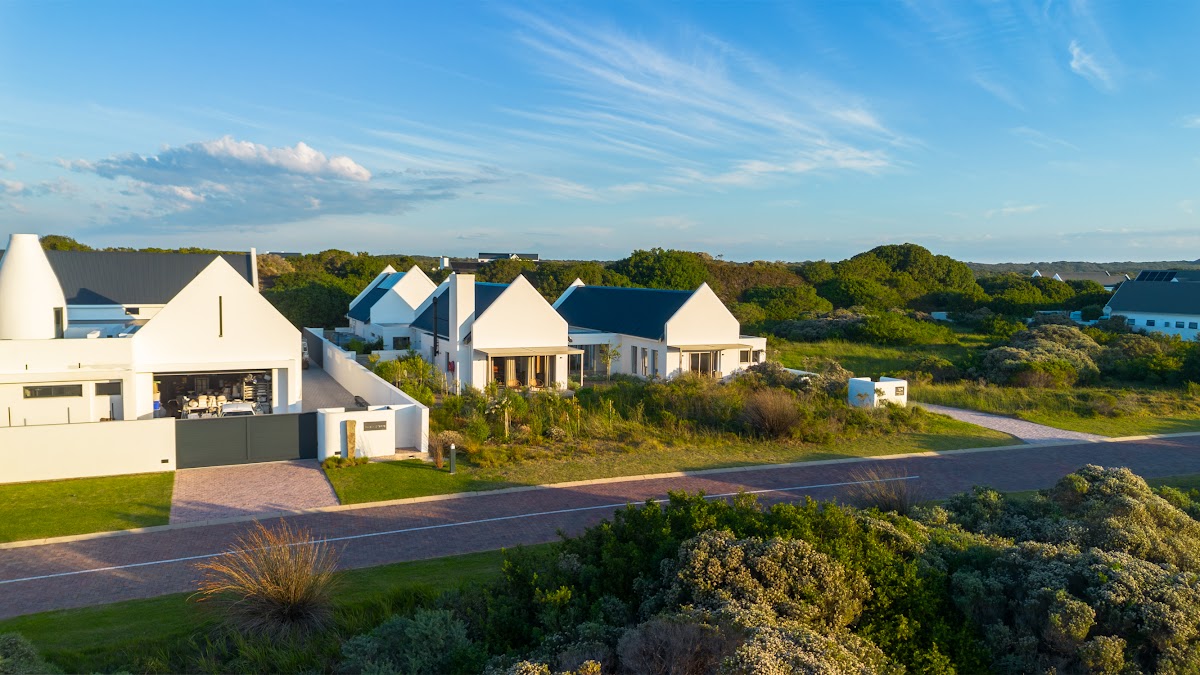
Hiring · 6 min read
Most agents search 'real estate photographer near me' and then book whoever comes up first. That works out fine sometimes, and badly other times — usually when a listing goes live two days late with dark, wide-angle-distorted photos that make the kitchen look like a cave. This post is the shortcut to getting it right.
By Kyle de Villiers · Published
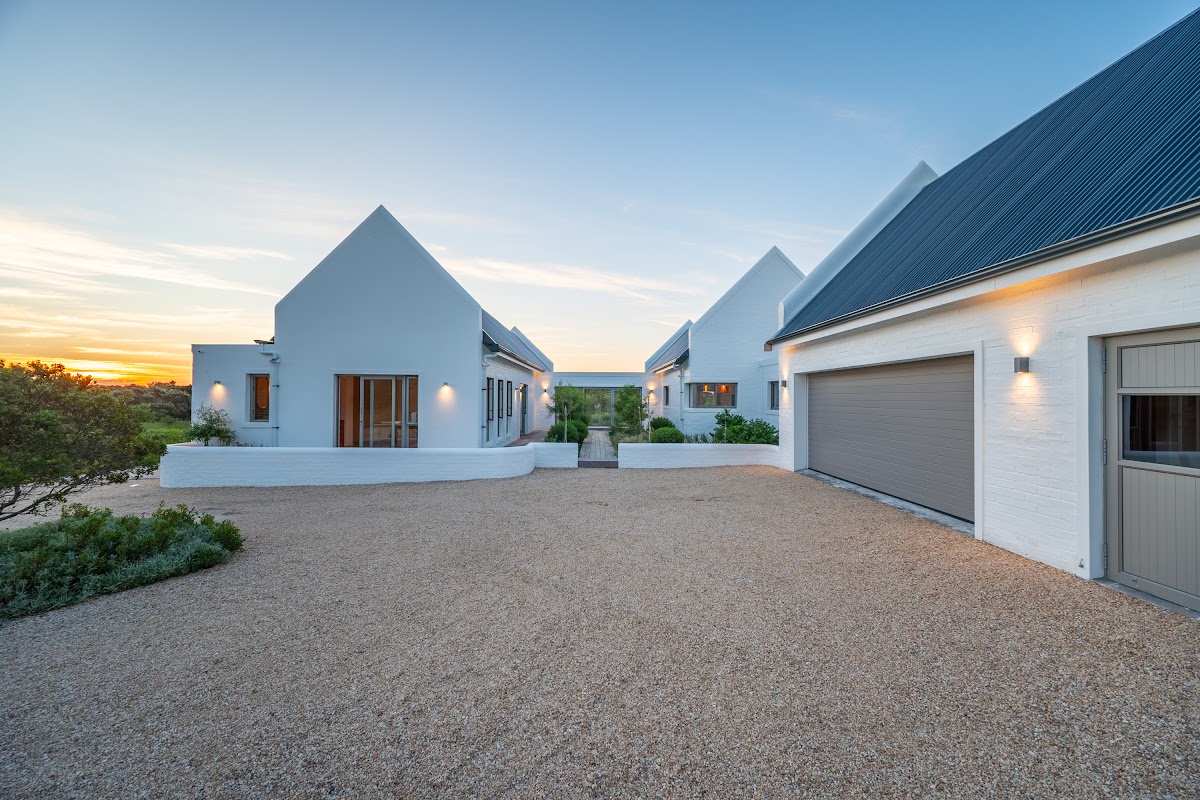
A real estate photographer near you is a local specialist who shoots, edits and delivers property images fast enough to keep your listing on schedule. The proximity matters less than you think — what matters is that they shoot property specifically, turn work around in 24 to 48 hours, and deliver files that are portal-ready without extra back and forth. The rest of this post breaks down exactly how to judge that before you hand over the booking.
When you search for a photographer near you, the results mix genuine property specialists with wedding photographers, portrait studios and general commercial shooters who list 'real estate' as one of a dozen services. That gap matters on a listing.
A wedding photographer knows light and composition. But property photography runs on a completely different set of decisions: correct verticals, HDR blending so windows do not blow out, a shooting sequence that makes a floor plan legible, and an edit that keeps rooms looking natural rather than oversaturated. It is a different craft, and you see the difference the moment you put two listings side by side on Property24.
Before you read further, if you want a full breakdown of the questions to ask before you commit, we have put that together in what to ask your real estate photographer before you book.
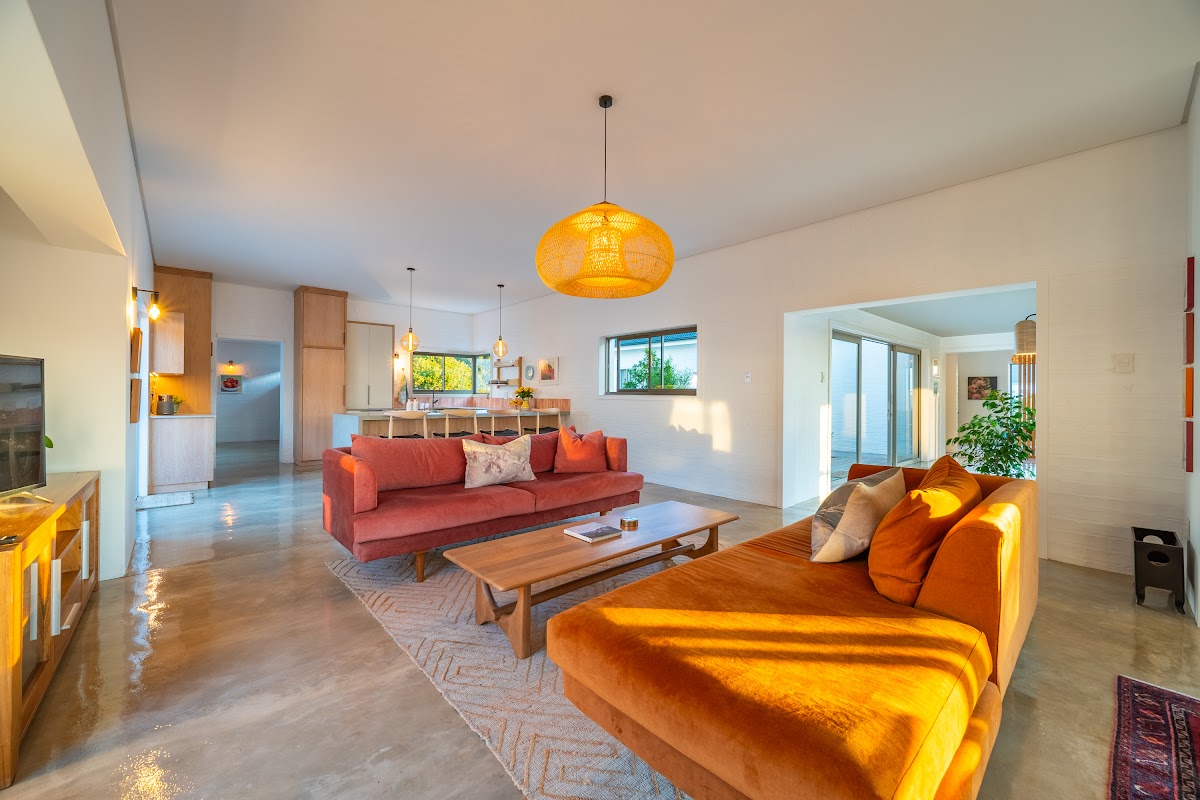
Check their portfolio. If more than half of it is weddings, events or food, they are a generalist. That is fine for those jobs. For a listing that needs to sell a R3 million home to someone scrolling a phone at lunch, you want someone who shoots property every week and has the workflow dialled in.
At DV Media we shoot across the Eastern Cape — Port Elizabeth, Gqeberha, East London, surrounding areas — and property is the whole focus. That repetition is what keeps turnaround times tight and editing consistent across every shoot.
A listing that misses its first weekend on the portals has already lost its best window. Buyers who set up Property24 alerts see the listing the moment it goes live. If your photos arrive on Thursday instead of Monday, you have burned most of the week's traffic.
Always ask: what is the standard turnaround, and what happens if the shoot runs over? A solid property photographer will give you a specific answer, not 'a few days'.
Some photographers hand over lightly processed JPEGs and call it done. Real property editing means HDR blending from bracketed exposures so the interior and the view through the window are both exposed correctly, vertical correction so walls do not lean inward, and colour grading that reads cleanly on a phone screen. Ask to see finished files, not just the best shots from a portfolio page.
If the agent down the road is running twilight shots and a walkthrough video on every listing, photo-only work starts to look thin. A photographer who can also handle elevated drone shots, short reels for social and video tours gives you one contact instead of three, and the content stays visually consistent.
For listings where the stand size or location is part of the story, drone adds real value. What drone footage actually adds to a listing covers when it earns its keep and when it does not.
A proper shoot is not someone arriving with a wide-angle lens and firing frames in every direction. Here is how we run it:
We arrive with a floor plan in mind and shoot in sequence, usually starting at the entrance and working through common areas before bedrooms and bathrooms. Every room gets bracketed exposures — typically three to five frames at different exposures that get blended in post. Lights stay on, curtains open, and we adjust positioning to keep distracting elements like ceiling fans and light fittings from dominating the frame.
Outdoors we time around the light, which is why arrival time matters. Flat midday light flattens a facade. Shooting at the right angle earlier or later in the morning gives depth to the exterior shot that becomes the lead image.
Prep from the seller's side makes a significant difference here. We always recommend agents forward a prep checklist the night before: clear counters down to almost nothing, open all blinds, swap in matching linen, cars off the driveway, pool net out of the water. Fifteen minutes of that saves editing time and produces a cleaner image without fabricating a space. The full version of that checklist lives in how to prepare your home for a real estate shoot.
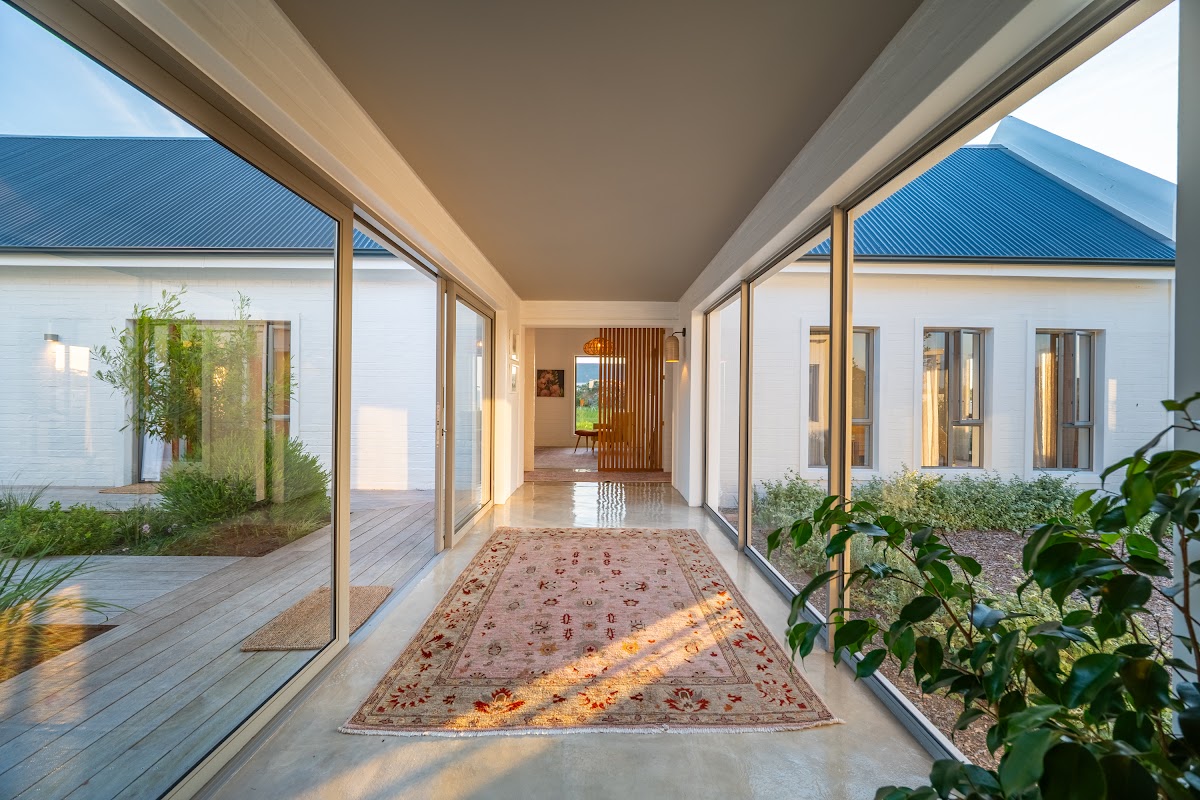
Most property photographers near you will price per shoot rather than by the hour. DV Media Shoots start at a baseline of R1950.00 (or less if its something really basic!
For a broader look at what drives property photography pricing in South Africa, the full pricing guide breaks it down in detail.
The cheapest option is not always the wrong choice. A Photo Only: Starter package is a legitimate fit for a small sectional title unit where a short turnaround and clean images are all that is needed. A Pro package with drone and video makes sense for a large freestanding home where the agent is running a full marketing campaign. Match the package to the listing, not to the habit.
For a standard residential listing, two to three days' notice is usually enough during quieter periods. For end-of-month peaks or if you need twilight timing, book earlier. Last-minute same-day shoots are sometimes possible but limit your options on timing and thoroughness.
Not necessarily, but they should know the area well enough to understand what the surrounding context looks like from the air, what time of day works best for the orientation of the home, and how long a drive between shoots affects their schedule. A photographer based in your city is a safer bet than someone travelling two hours each way.
A floor plan if you have one, the address, a contact for access, any specific features the seller wants highlighted, and whether there are any spaces to avoid or include. The more context the better. It stops the photographer spending ten minutes figuring out which room is the priority and means the sequence on the day is purposeful.
Open the delivered images on your phone, not just on a desktop monitor. That is how most buyers will see them. The lead photo should read clearly at thumbnail size, the rooms should look bright without looking artificially lit, and the verticals on walls and door frames should be straight. If anything looks distorted or dark at first glance, that is worth raising before the listing goes live.
Sellers & agents
The real ways property media turns into commission, from mandate wins to retainers.
Sellers & agents
The media habits that separate the top agents in an office from everyone else.
Hiring
The practical checklist before you hire a property photographer in East London, from light timing to turnaround.
About the author
Founder & Lead Photographer, DV Media
Kyle has shot thousands of property listings across South Africa and writes DV Media's field notes on what actually moves a sale. More about Kyle →
Send the address and we'll come back with a quote and a recommendation.
Get a RecommendationRather learn to do this yourself, every week? See the DV Media Classroom.
Selected property work and shoot notes from DV Media. Unsubscribe any time.
Subscribe