What are real estate listing videos, and do you actually need one?
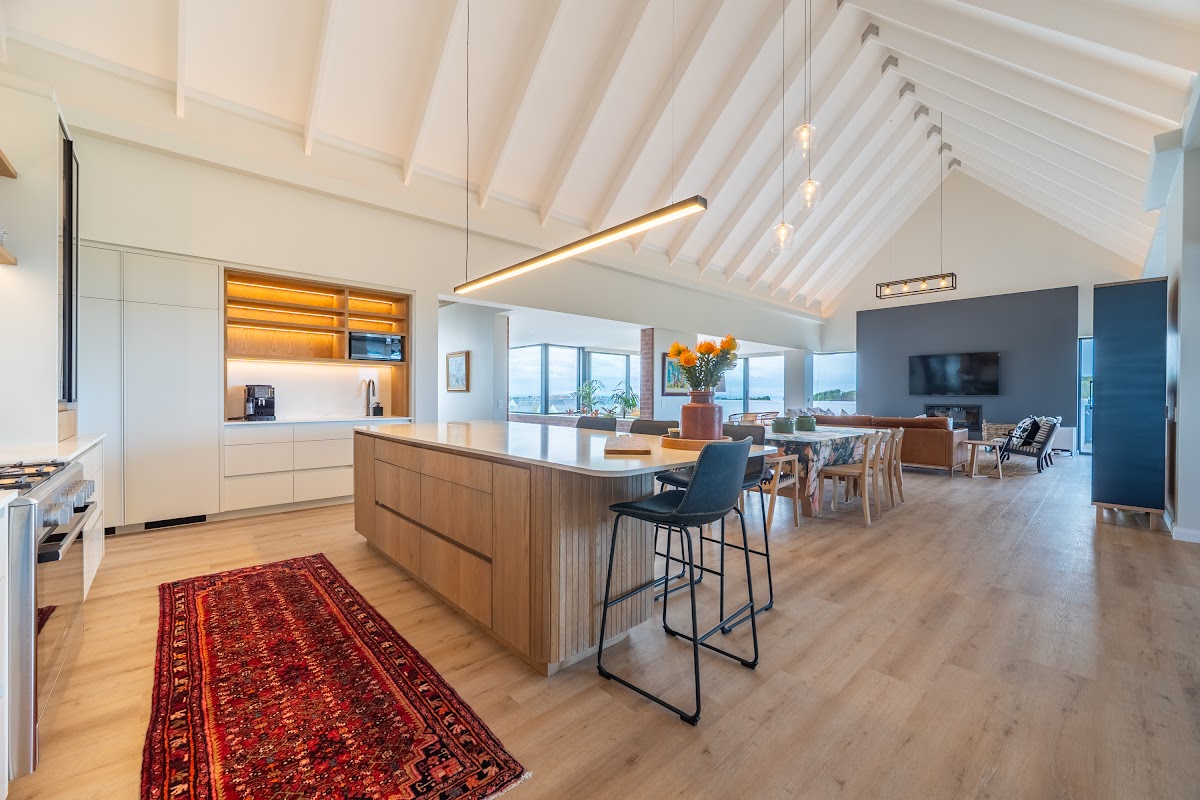
A real estate listing video is a short edited walkthrough of a property, shot to give buyers a feel for the space, flow and setting before they book a viewing. Done well, it filters out time-wasters and pulls in more serious enquiries. Not every listing needs one, but for anything above entry-level price points, a video does work that photos alone can't.
Real Estate Listing Video: A short, edited property walkthrough video, typically one to three minutes, used on portals and social media to show buyers how a home flows, feels and fits together before they visit in person.
The honest answer to whether you need one: if you're selling a property where the layout, the views or the outdoor flow are part of the appeal, yes. If it's a compact apartment where the photos tell the whole story, you can skip it. But if a buyer's first question after seeing the photos is always "what does it feel like inside?" then a video closes that gap.
What a listing video actually needs to do
This is where most agents get it wrong. They think a listing video is a slideshow with music, or a drone clip over the roof. It's neither.
A good listing video does three things. It shows the buyer how the spaces connect. It makes the property feel like somewhere they could actually live. And it gets them to book a viewing or pick up the phone.
That's it. It's not a showreel. It's not a brand video for your agency. It's a sales tool for one specific property.
So when you brief your shoot, start there. Tell the photographer: what's the one thing about this property that photos haven't captured? That's what the video needs to lead with.
How to brief your real estate listing video shoot
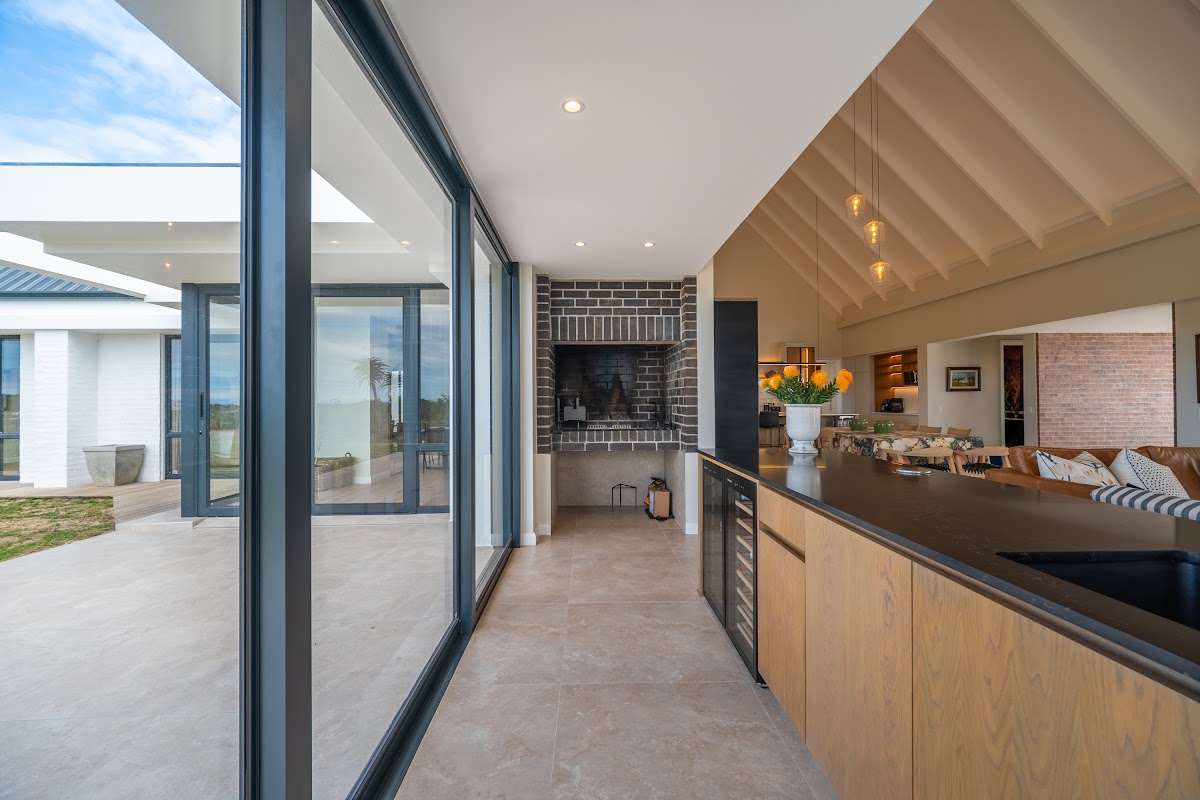
Before the shoot day, send your photographer a voice note or a few bullet points covering:
- The property's strongest selling point (the view from the lounge, the entertainer's patio, the flow from the kitchen)
- Who you're selling to (young family, downsizer, investor)
- Where the video will live (portal listing, Instagram Reels, WhatsApp to buyers, all three)
That last one matters more than most agents realise. A video cut for Property24 is a different edit to a Reel. The framing is different, the pacing is different, and the aspect ratio is different. If you want both, say so upfront. At DV Media, standard shoots include a 9:16 vertical cut for social alongside the landscape version, so you're not choosing one or the other.
Don't leave the brief to the morning of the shoot. By then, your photographer is already thinking about light and logistics. The creative decisions need to be made the day before.
What happens on shoot day
For a standard listing video, plan for a few hours on site depending on the property size. The photographer will walk the property first, usually alone for ten minutes, to plan the shot sequence. That walk-through matters. It's where they figure out which rooms photograph in which order, where the light is working and where it isn't, and which angles tell the story.
Your job on shoot day is to have the property ready before the crew arrives. How to prepare your home for a real estate shoot covers the full prep list, but the short version: every surface clear, every light on, every blind open, every car off the driveway. These things sound small and they are not.
For video specifically, quiet matters. Air conditioners off. Pool pump off. Dogs somewhere else. Video picks up everything a photo hides.
Should you add drone to your listing video?
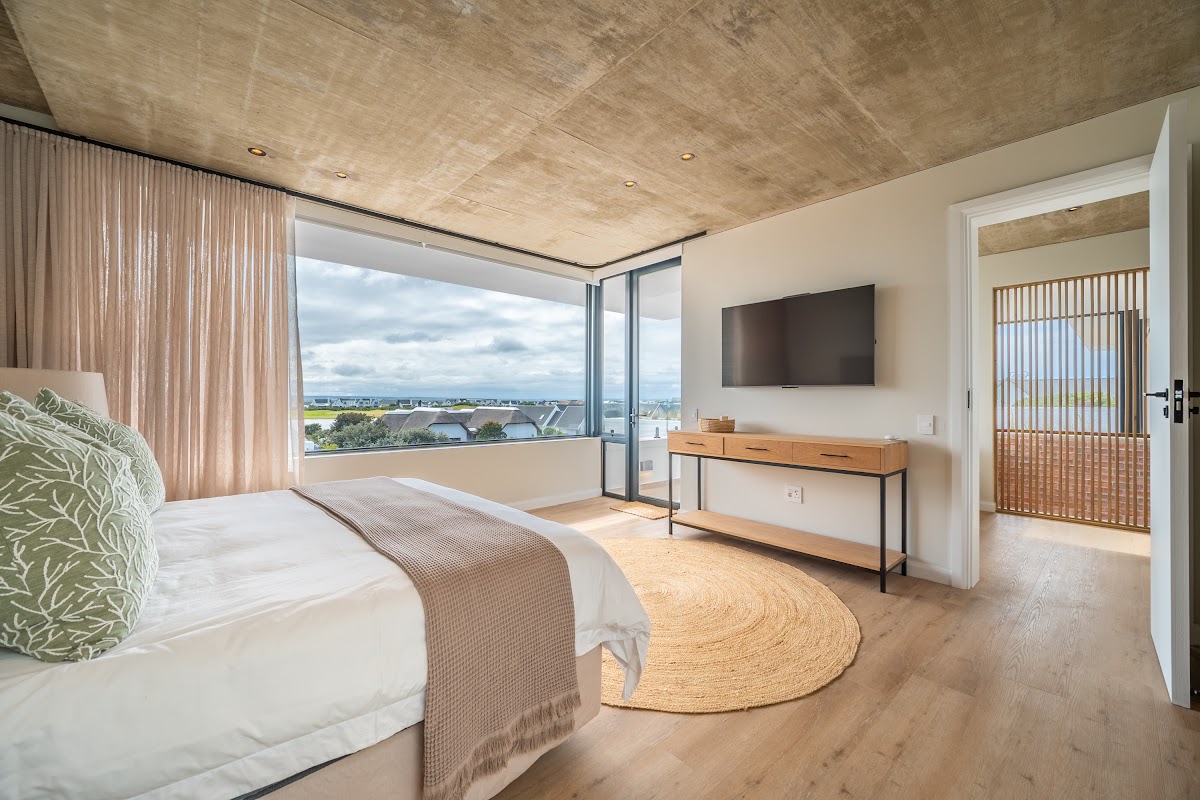
For houses with land, position or a view, yes, drone footage earns its cost. For a sectional title unit in a dense suburb, probably not.
Drone work is available as an add-on and works best when there's something to show from above: a plot size, a coastal setting, proximity to a beach or mountain, a large garden, or a development in context. If none of that applies, the aerial clip will feel tacked on and buyers scroll past it.
If you're not sure, look at what the property's competition is doing on the portals. If similar homes nearby are using drone and yours doesn't, you're handing them an edge. If nobody in that price band is using it, you probably don't need it either.
For more on when aerial footage genuinely adds value, this post on what drone footage actually adds to a listing goes deep on the decision.
Portal vs social: two different videos
| Use case | Length | Orientation | Pacing | Priority |
|---|---|---|---|---|
| Portal listing (Property24 etc.) | 90 sec to 3 min | Landscape 16:9 | Slower, methodical | Full property flow |
| Instagram / Facebook Reels | 30 to 60 sec | Vertical 9:16 | Fast cuts, hook in 3 sec | One strong feature |
| WhatsApp to buyer leads | 60 to 90 sec | Either | Medium | Enough to prompt a call |
The mistake agents make is shooting one version and trying to use it everywhere. A three-minute landscape tour doesn't play on Reels. A 30-second vertical clip doesn't give a portal buyer enough to decide. Brief for both upfront, and your photographer can plan the shoot to cover both in the same session.
For a closer look at how the actual shooting process differs between the two, this post on shooting for Reels vs Property24 breaks it down practically.
Turnaround and what you receive
At DV Media, edited photos and video are delivered within 48 hours of the shoot. Booking lead time is typically 3 to 7 days, and same-week slots are often available if you need to move fast. You'll receive a landscape video edit and a 9:16 vertical cut as standard.
Raw footage isn't included. You get the finished, colour-graded deliverable ready to upload.
If you're running eight or more listings a month, a retainer makes more sense than booking shoot by shoot. You get locked-in pricing and priority scheduling, which matters when a mandate comes in Thursday and you need the listing live Monday.
For what a shoot actually costs and what drives the price, check our pricing page for current rates.
Common questions
How long should a real estate listing video be?
For a portal listing, aim for 90 seconds to three minutes depending on property size. For social media Reels, 30 to 60 seconds is enough. Buyers decide fast, so a tighter edit that covers the key spaces outperforms a long one that covers everything.
Do real estate listing videos work in South Africa?
Yes, particularly in the mid-to-upper price bands where buyers are comparing several properties before shortlisting viewings. A video helps a buyer feel the flow of a home in a way photos can't, and that often converts to more serious enquiries rather than just more clicks.
Can I use one listing video on both Property24 and Instagram?
Not really, at least not without re-editing. Portal videos are landscape and longer. Instagram Reels need vertical framing and a much shorter runtime. Brief your photographer for both at the start and they can capture what's needed in one shoot to produce two separate cuts.
How much does a real estate listing video cost in South Africa?
The cost depends on the property size, whether you need drone, and how many edits you need. See our pricing for current rates. What's worth knowing is that the cost sits against the commission on a property sale, and the maths almost always favours investing in the video rather than skipping it.
How far in advance should I book a listing video shoot?
At DV Media, typical lead time is 3 to 7 days, with same-week urgent slots often available. Book as early as you can after signing the mandate. The worst outcome is a listing that goes live without video and loses its first weekend of traffic while you wait for the shoot.
What should I do to prepare for a video shoot vs a photo shoot?
Everything you'd do for photos, plus deal with noise sources. Turn off the air conditioner, pool pump and any appliances that hum. Video picks up background sound that photos ignore. Other than that, the prep is the same: clear surfaces, lights on, blinds open, cars moved.
Related posts
Sellers & agents
The Content Classroom: How Agents Get Themselves Actually Posting, Week After Week
Plan the posts before the shoot, not after. A two-week campaign off one listing.
Video
Real Estate For Sale Videos: What to Shoot, How Long, and What Actually Gets Enquiries
What makes a for sale video work, what to cut, and how to brief it.
Listings
What drone footage actually adds to a listing
When it's worth the add-on — and when it's just a flex that doesn't help sell.
About the author
Kyle de Villiers
Founder & Lead Photographer, DV Media
Kyle has shot thousands of property listings across South Africa and writes DV Media's field notes on what actually moves a sale. More about Kyle →