Sellers · 7 min read
We shoot listings every week, from Paarl to Plett to the Eastern Cape, and we get told later which ones went quickly and which ones sat. The pattern is boring and consistent. Here's what the fast sellers actually do differently, and where photography fits into it honestly.
By Kyle de Villiers · Published
Houses sell faster when they are priced against what buyers are actually paying right now, and when the online listing makes a buyer want to see the place in person. Everything else is secondary. In practice the fast sellers get three things right: the asking price is honest, the home is genuinely ready on the day it goes live, and the first photo stops the scroll on a phone screen.
The slow ones usually fail on one of those and then spend four months fixing it with price drops.
I'm a photographer, not an agent, so I'll say the uncomfortable bit up front. No photo saves an overpriced house. I've shot beautiful homes in Somerset West that sat for seven months because the owner had decided what the house was worth in their own head and priced it there, instead of where the market actually was. What good photos do is make sure that a correctly priced house gets seen by everyone who should see it, fast, instead of leaking buyers quietly for weeks.
The first image and the price. That's it, on the search results page.
Think about how buyers actually shop here. They're on Property24 or Private Property on their phone, scrolling a grid of thumbnails at ten at night. Each listing gets maybe a second. Your lead photo is competing with twenty others in the same suburb and the same price bracket. If yours is a dark lounge shot taken on a phone with the curtains half closed, you don't lose the buyer because they disliked your house. You lose because they never opened it.
That's the part sellers underestimate. The damage happens before anyone has an opinion about your kitchen.
Definition
Lead image: The single photo a property portal shows in search results and that an agent uses in listing ads. It's usually an exterior or the best living space, and it does nearly all the work of deciding whether a buyer clicks through to see the rest.
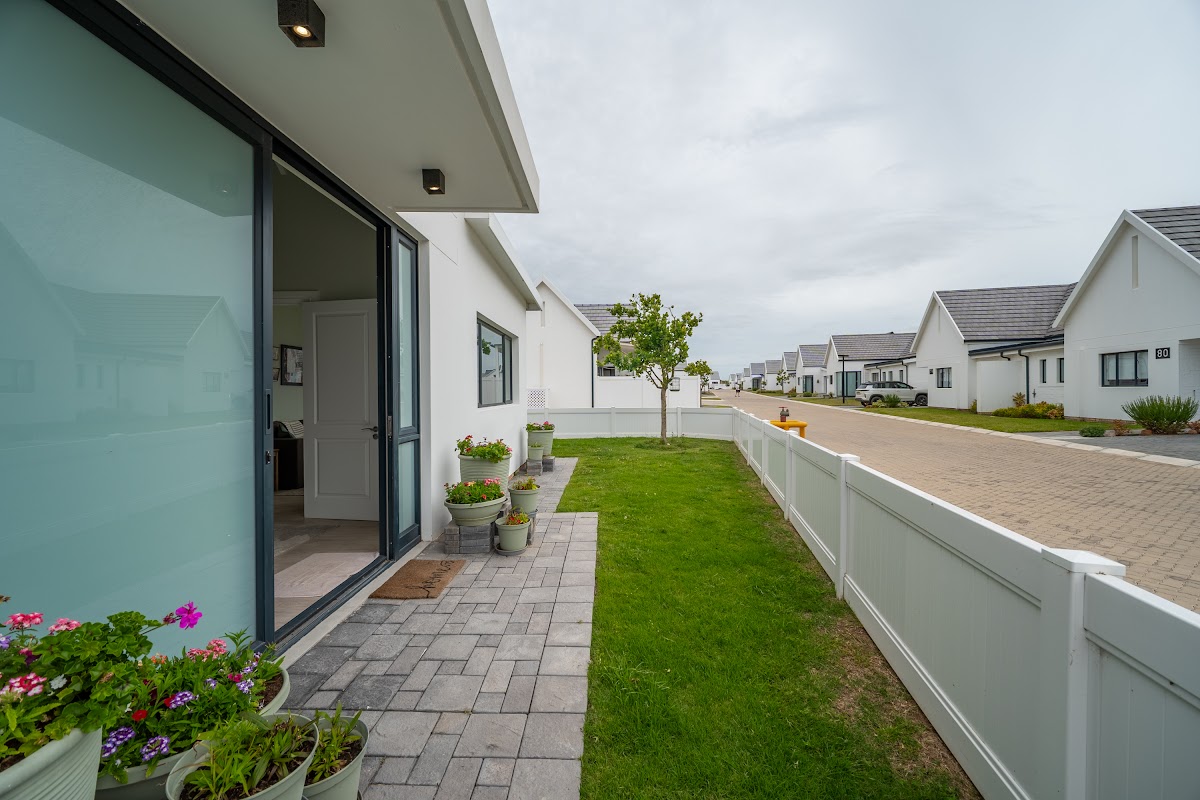
On our shoots the lead image is the one we plan around. We'll move a car, wait out a shadow across the facade, come back at a different hour if the front of the house faces the wrong way. A house that faces south in Cape Town can look flat and grey at 11am and warm at 4pm, and that's the whole difference between two listings that are otherwise identical.
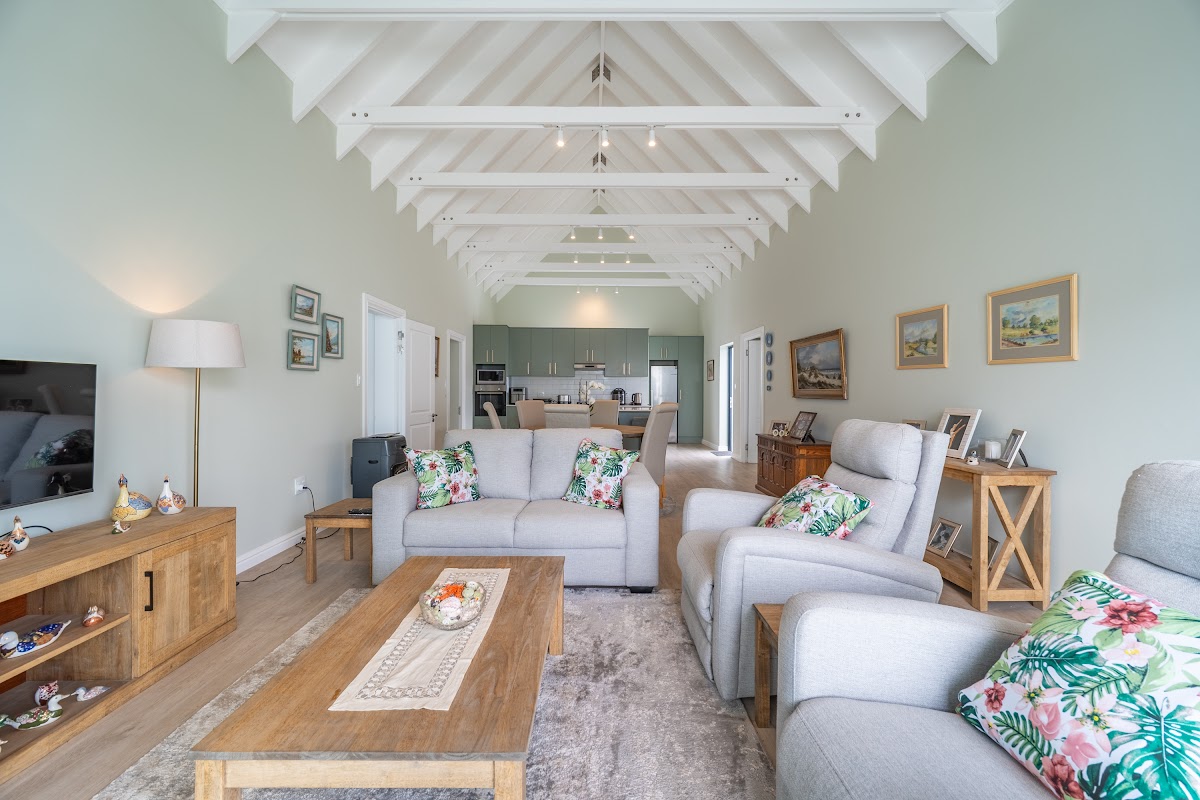
They're the same thing by the time a buyer sees it. The camera only reports what's there.
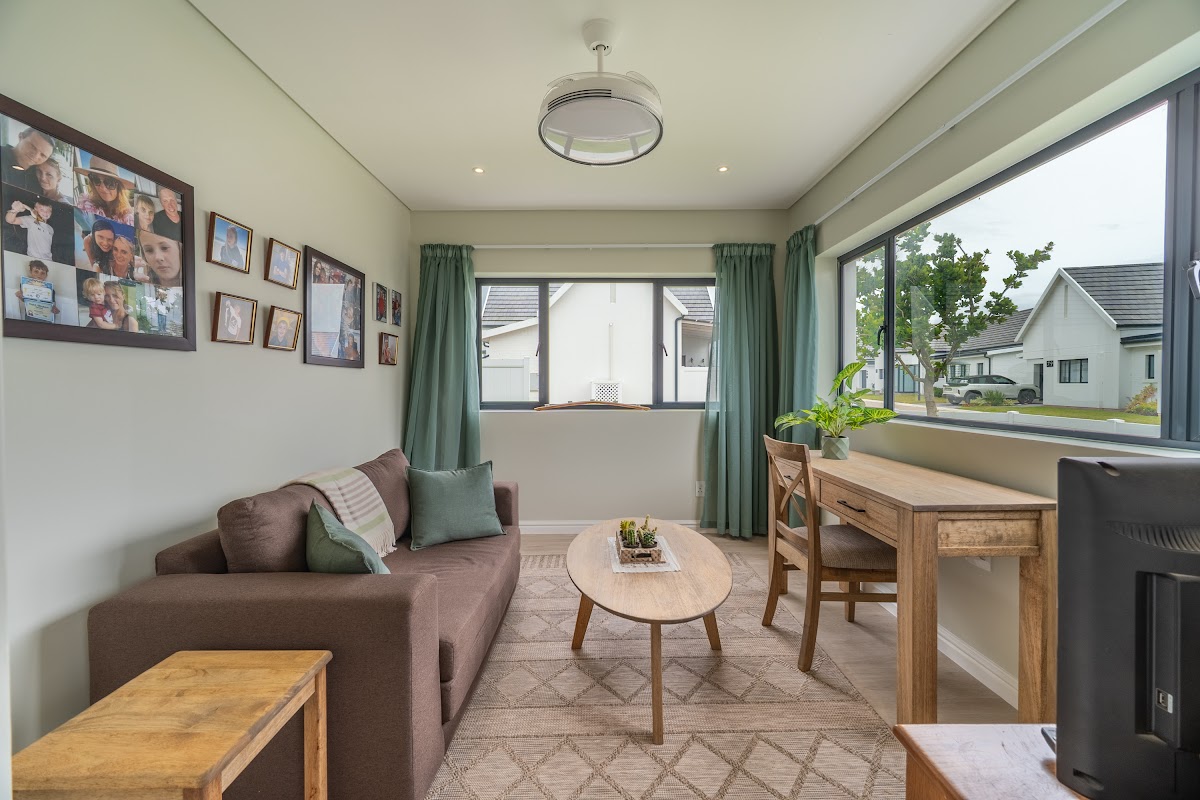
The homes that photograph well are almost always the ones where someone spent fifteen minutes before we arrived. Kitchen counters cleared down to one or two objects. Curtains fully open. Bins, pet bowls, charger cables and the dish rack out of sight. Cars off the driveway. Hosepipe coiled away. Toilet lids down. Matching white linen on the beds if you have it.
That's not styling for the sake of it. A cluttered room reads as a small room in a wide-angle photo, because the eye counts objects instead of space. We've photographed two near identical townhouses in the same complex in Gqeberha, one prepped and one not, and the prepped one looks like a bigger home. It isn't. We have a full room by room prep guide you can work through the night before, and a broader prep walkthrough if you want the reasoning behind each step.
One thing worth saying plainly: fixing the house for the photos tends to fix it for the viewing too. Buyers walk into the prepped version a week later.
| Homes that move quickly | Homes that sit | |
|---|---|---|
| Price | Set off recent sold prices in the suburb | Set off what the owner believes it's worth |
| Going live | Photos, video and copy ready before launch day | Listed with phone pics, "proper photos coming" |
| Lead image | Bright, straight, shot at the right hour | Dark, tilted, car in the driveway |
| Coverage | Every room a buyer will ask about | Three rooms and a mystery |
| First two weeks | Most enquiries land here | Quiet, then a price drop at week six |
| Relisting | Rarely needed | Relisted with new photos months later |
The first two weeks line is the one I'd underline. A new listing gets its biggest run of attention in the first fortnight, because the buyers who've been watching that suburb for months all see it at once. If your photos aren't ready, you're spending that attention on a half version of your home. You don't get it back. Relisting later with good photos works, but you're now selling to a smaller pool who've already seen you once.
It makes a correctly priced house sell faster. It doesn't rescue a wrong price, and anyone telling you otherwise is selling you something.
What we see on the ground is more enquiries in the first week, and better quality enquiries. When buyers can see the full layout, the light, the flow from kitchen to patio, the people who book a viewing have already half decided. Fewer time wasters walking through your house on a Saturday. We went into what we actually observe shoot to shoot in this post.
A few things genuinely shift the needle:
On twilight specifically, be realistic about the window. It's about 45 minutes on site, and we check the load shedding schedule first, because the whole shot depends on the lights being on. More on when it's worth it.
On extras that don't match the property. Drone over a small townhouse hemmed in by neighbours shows you the neighbours' roofs. Drone over a smallholding outside Plett, a stand near the sea, or a complex where the shared grounds and security are the selling point, that earns its place immediately.
Same with volume of photos. More angles of the same lounge doesn't help. It dilutes. Thirty photos where ten are variations of the kitchen makes a buyer scroll past the garden. Our take on how many is enough.
If you're weighing up what this costs against what your agent charges in marketing fees, the honest answer is that media is one of the cheaper lines in a property sale and one of the few that affects week one. Our numbers live on our pricing page.
It varies by suburb, price bracket and how the market's moving, so any national average is close to useless for your specific house. What's more reliable is what your own agent can show you: recent sold prices and days on market for homes like yours, in your area, in the last six months. Ask for that before you set a price.
Yes, for a correctly priced home, because most buyers decide whether to view based on the online listing alone. Good photos get your house opened and viewed by more of the right buyers during the first two weeks, which is when a new listing gets the most attention. They will not fix an asking price the market disagrees with.
Fix the cheap visible things and leave the expensive structural ones to the price negotiation. Paint, grouting, a dead light bulb, an overgrown garden and a cracked window cost little and show up in every photo and every viewing. A new kitchen rarely returns what you put in.
Usually price first, then the quality of the listing itself. Compare your listing side by side with the ones that sold: look at the lead photo, how many rooms are shown, and whether yours looks brighter and more spacious or darker and more cluttered on a phone screen. If the listing looks fine, the price is the problem. And be honest with yourself about where that price came from, your own sense of what the house is worth or what buyers have actually paid nearby.
At DV Media, edited photos and video come back within 48 hours of a standard shoot. Booking lead time is usually 3 to 7 days, with same-week urgent slots often available, so plan on roughly a week from the call to being live. If the weather turns, rescheduling is free as long as you let us know by 18:00 the day before.
It depends which way the house faces, which is why it's worth asking your photographer rather than picking a time yourself. A north facing front usually looks best mid morning to early afternoon, a south facing one often needs late afternoon so the facade isn't sitting in flat shade. For twilight, the usable window is short and gets booked as an add on.
If you want a second opinion on whether your home needs the full treatment or just a solid standard shoot, tell us about the property and we'll say so straight.
Listings
The real mechanism behind faster sales, and the listings where photos won't save you.
Listings
The real photo count for a listing, by property type, plus what to shoot and what to leave out.
Sellers
What to clear, what to leave, and what to do the morning of your listing shoot.
About the author
Founder & Lead Photographer, DV Media
Kyle has shot thousands of property listings across South Africa and writes DV Media's field notes on what actually moves a sale. More about Kyle →
Ask your agent to book a professional shoot, or send us the address and we will point you in the right direction.
Get in touchSelected property work and shoot notes from DV Media. Unsubscribe any time.
Subscribe